Embarking on the journey of scoliosis management requires an in-depth understanding of the condition’s intricacies and the tailored interventions that can pave the way to a healthier, more aligned spine. In this exploration, we delve into the scientific complexities of scoliosis, its diagnosis, presentation, and the collaborative role of Biokinetics and the Schroth Method in both treatment and prevention.In this blog post, we’ll explore the synergistic benefits of Biokinetic Rehabilitation and the Schroth Method in treating scoliosis, with a focus on halting progression, improving posture, reducing pain, and preventing further deterioration.
Understanding Scoliosis:
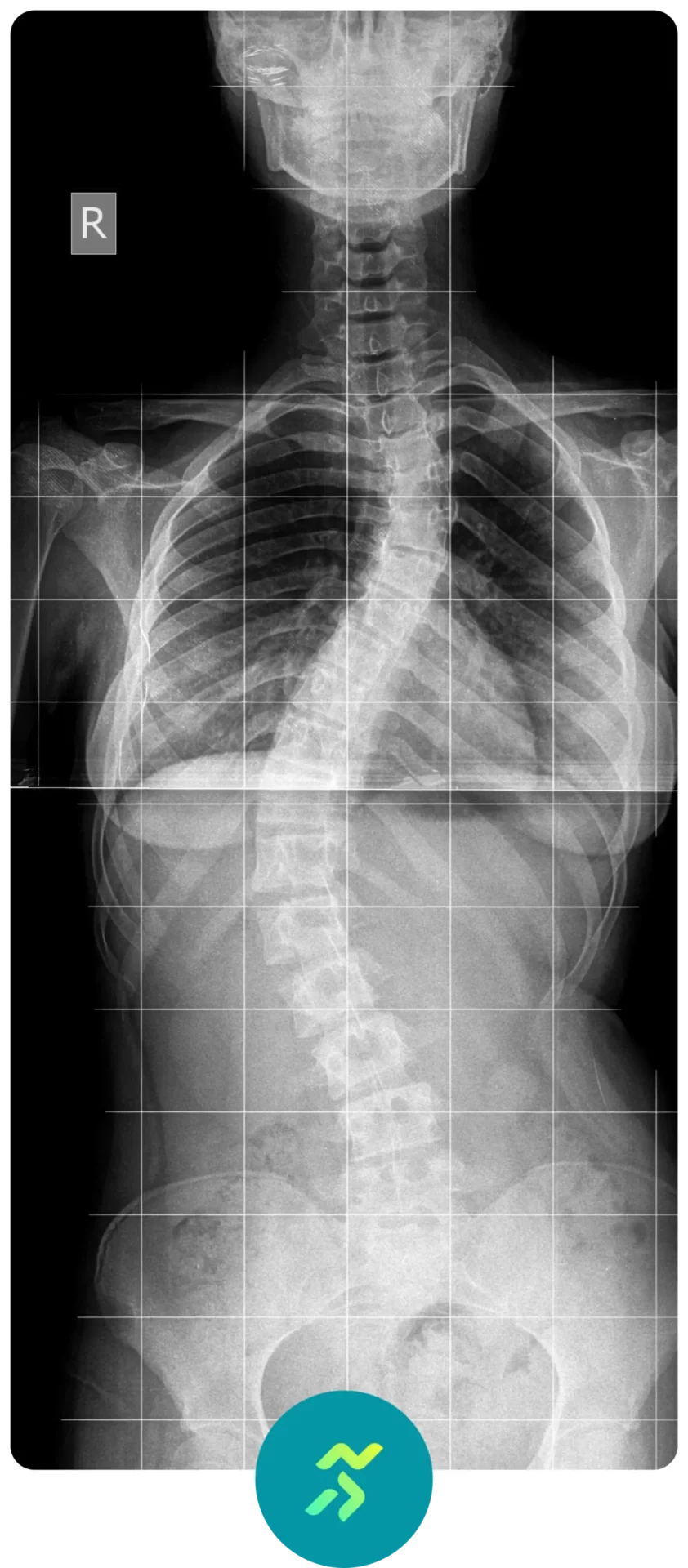
Before delving into the treatment methods, it’s crucial to understand what scoliosis is.Scoliosis is a spinal deformity characterized by a lateral (sideways) curvature of the spine and often accompanied by a rotational component, usually presents as an “S” or “C” shape. This condition, more commonly diagnosed in adolescence, can manifest due to various factors.This deviation from the spine’s normal alignment can lead to various issues, including muscle imbalances, reduced lung capacity, and chronic pain. Scoliosis can be congenital or develop during growth spurts, with the majority of cases being idiopathic (of unknown cause). While mild cases may go unnoticed, moderate to severe scoliosis can lead to pain, limited mobility, and, in extreme cases, affect respiratory function.
Diagnosis and Presentation:
Achieving an accurate diagnosis is imperative for the successful management of scoliosis. The identification of scoliosis entails a comprehensive assessment conducted during a physical examination, wherein healthcare professionals observe the patient’s spine and posture for indicators such as uneven shoulders, hips, or asymmetry in the rib cage.
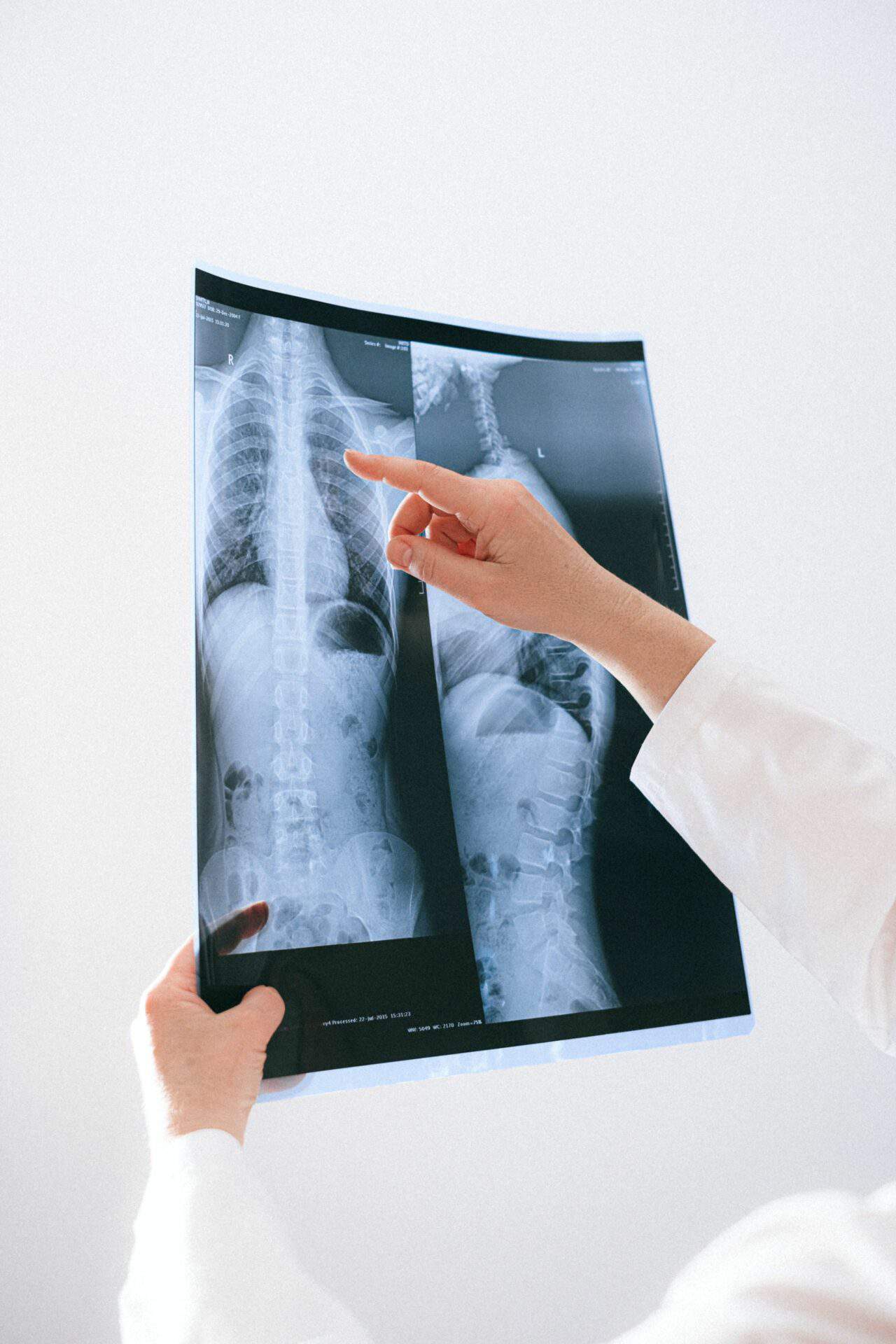
To further refine the diagnostic process, medical practitioners use X-ray imaging, a pivotal tool that provides a detailed visual representation of the spinal curvature. This modality serves as a critical means for determining both the severity and specific pattern of scoliosis. Notably, the utilization of X-rays facilitates the precise measurement of the Cobb angle, a fundamental parameter used to measure the degree of spinal curvature.
Biokinetics and Scoliosis treatment:
Biokinetics, rooted in exercise science, is a crucial method in treating scoliosis by specifically addressing muscle imbalances. This approach uses evidence-based exercises to boost muscle strength and flexibility, targeting the challenges associated with scoliosis. The focus on muscular imbalances recognizes the connection between spinal curvature and changes in muscle function. The exercises, backed by scientific research, aim to strengthen weakened muscles, bringing balance to the musculoskeletal system.
Beyond strength, biokinetics also emphasizes improving flexibility to ease discomfort related to scoliosis. The goal is to create exercises that adapt to the altered biomechanics caused by spinal curvature. Additionally, biokinetics strives to optimize postural control. Through targeted exercises, individuals with scoliosis can enhance their awareness and control over posture, contributing to an overall improvement in physical functionality.
The Schroth Method: A Scientifically Tailored Approach:
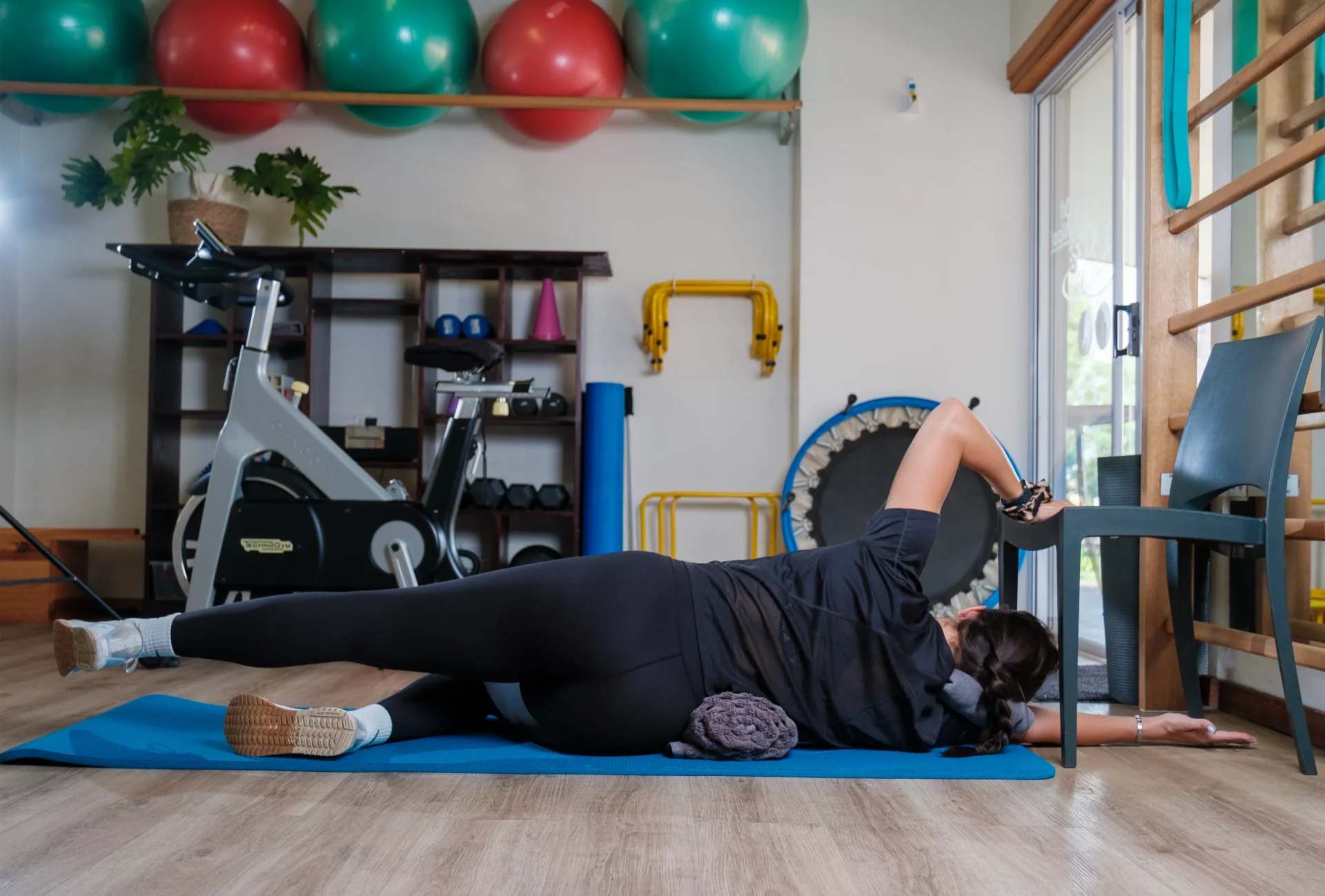
The Schroth Method is a well-established scoliosis-specific rehabilitation protocol. Developed by Katharina Schroth, this method focuses on three-dimensional exercises designed to de-rotate, elongate, and stabilize the spine. Its scientific precision lies in the personalized approach to individual curvature patterns, offering targeted interventions for each unique case.
Scientifically Tailored Principles of the Schroth Method:
- Individualized Three-Dimensional Analysis: Through a meticulous assessment, the Schroth Method identifies and addresses the unique three-dimensional curvature patterns in each individual, ensuring a precise biomechanical equilibrium and spinal alignment.
- Respiratory Mechanics as a Catalyst: Specialized respiratory exercises, integral to the Schroth Method, not only enhance spinal stability but also engage respiratory musculature synergistically, contributing to improved overall posture.
- Translational Postural Insights: Beyond structured exercises, the Schroth Method provides scientific insights into maintaining optimal postural integrity during daily activities, empowering individuals with practical tools for ongoing self-care.
Application of the Schroth Method in Scoliosis Rehabilitation:
The Schroth Method aims to:
- Identify Individual Curvature Patterns: A detailed assessment pinpoints unique three-dimensional curvature patterns, informing the customization of exercises to address specific spinal irregularities.
- Prescribe Targeted Exercises for De-rotation and Elongation: Tailored exercises, strategically designed for de-rotation and elongation, form the core of Schroth Method interventions, countering the spinal curvature and promoting a more aligned posture.
- Integrate Respiratory Techniques: Specialized breathing exercises are seamlessly integrated into the program to enhance spinal stability and contribute to overall postural improvement.
Preventing Progression and Surgery:
Biokinetics and the Schroth Method play a pivotal role not only in treating scoliosis but also in preventing its progression and the need for surgical intervention. The conservative approach focuses on strengthening the core muscles, improving flexibility, and enhancing postural awareness, collectively working towards reducing the severity of the spinal curvature and mitigating associated symptoms.
Conclusion:
In the realm of scoliosis management, the fusion of biokinetics and the Schroth Method offers a scientific and conservative pathway to rehabilitation. Through personalized exercises and targeted interventions, individuals can not only address the existing challenges posed by scoliosis but also prevent the progression of the curvature and, in many cases, avoid the need for surgery. This comprehensive approach aims not just for symptom alleviation but for lasting improvements in the overall well-being of individuals navigating the complexities of scoliosis.