
Treating Scoliosis with Schroth Therapy
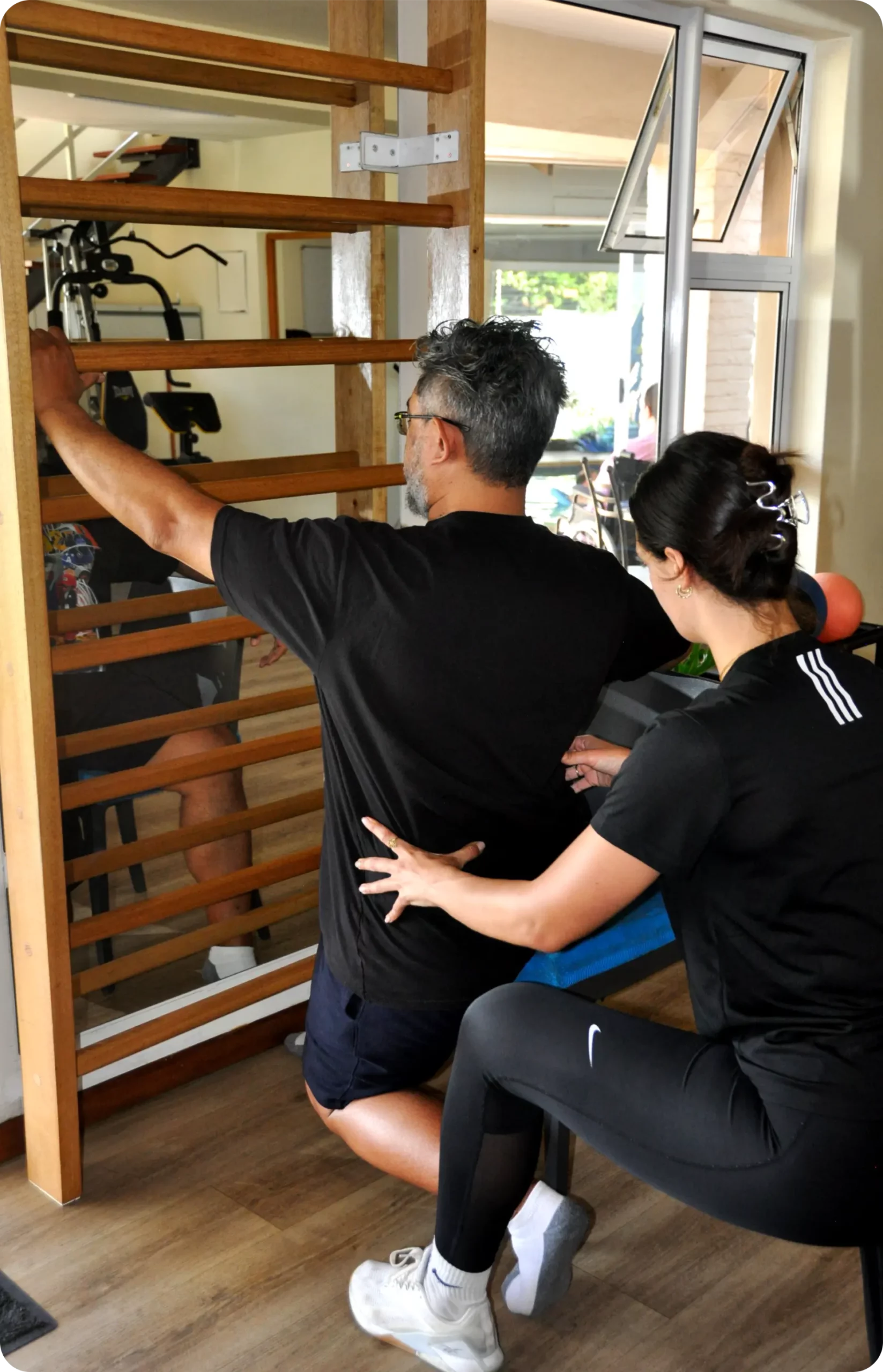
The Schroth Exercise Method is a non-surgical scoliosis-specific exercise approach for the treatment of scoliosis. It uses exercises customised to each patient’s spinal curve to help return the spine to a more natural position.
It mainly focuses on the three-dimensional correction of the curve pattern. It is achieved through a combination of stretching, strengthening, and breathing, based on each patient’s unique scoliosis curve pattern.
The main goal of the Schroth exercises sessions is to prevent scoliosis from advancing or worsening with time, if left untreated. We aim to detect the typical scoliosis features, restore normal postural alignment, static-dynamic postural control and improve postural stability. This conservative treatment for scoliosis is aimed at the deceleration or prevention of progression to avoid bracing and most importantly avoid surgery.
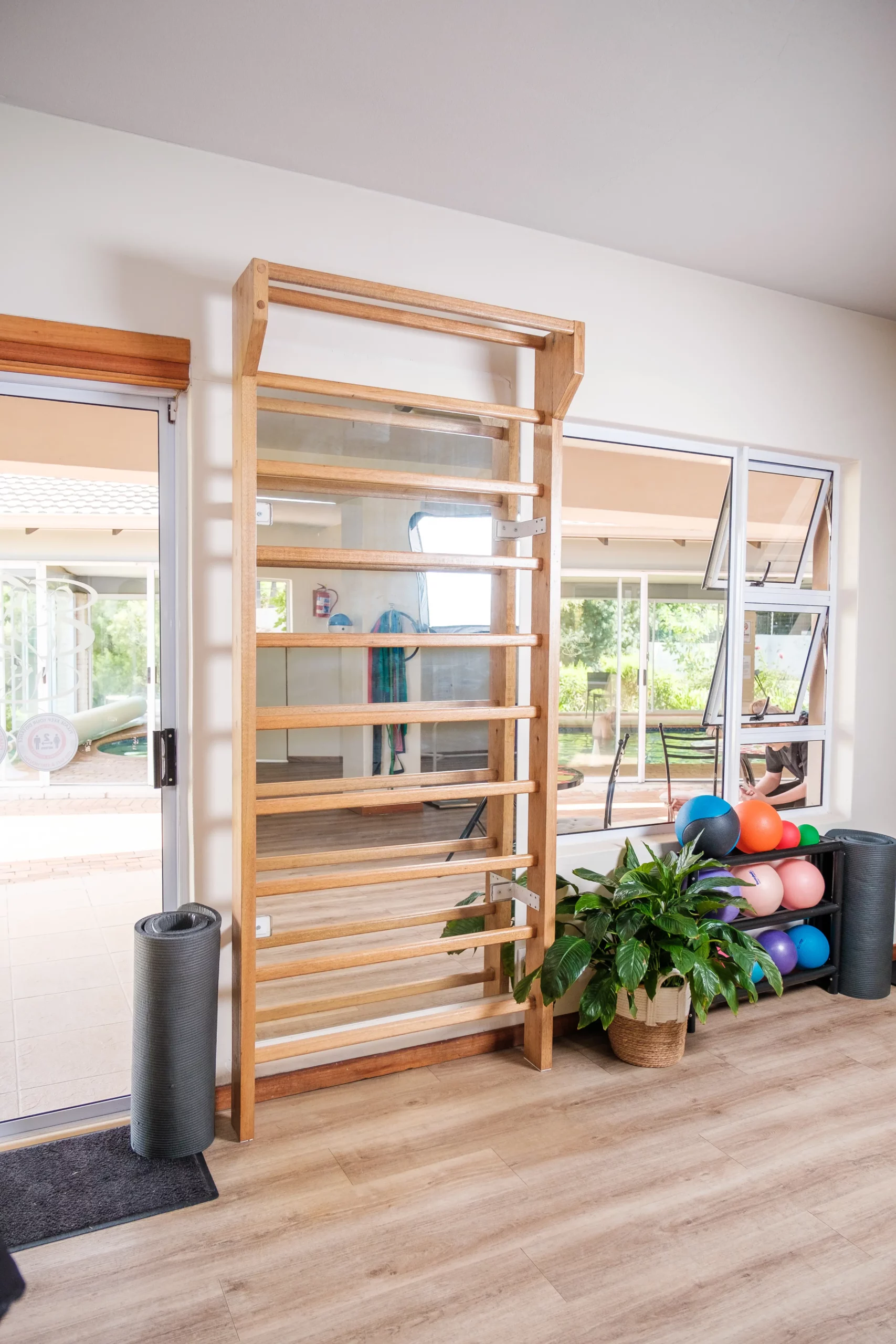

Goals of the Schroth Method
Besides the correction of the curve, outcomes of the Schroth program may include

Enhancing neuromuscular control

Improved core stability and strength

Easier
breathing

Pain
Reduction

Improving Movement Patterns & Functions

Improved pelvis alignment

stabilization of the curve(s)

mobilisation of the ribcage
improving postural alignment
Who would beneFit from the Schroth Method?
The treatment approach can be used to treat scoliosis patients of all ages and can be utilised to treat in all stages of scoliosis, including in those who have had scoliosis surgery.
Schroth exercises may benefit patients of all ages, regardless of the severity of scoliosis. The goal is certainly to reduce the curve but overall to halt the curve progression.
Ready to take the next step?
Invest in your well-being today. Experience the difference movement through Biokinetics can make in your life.
What is Scoliosis?
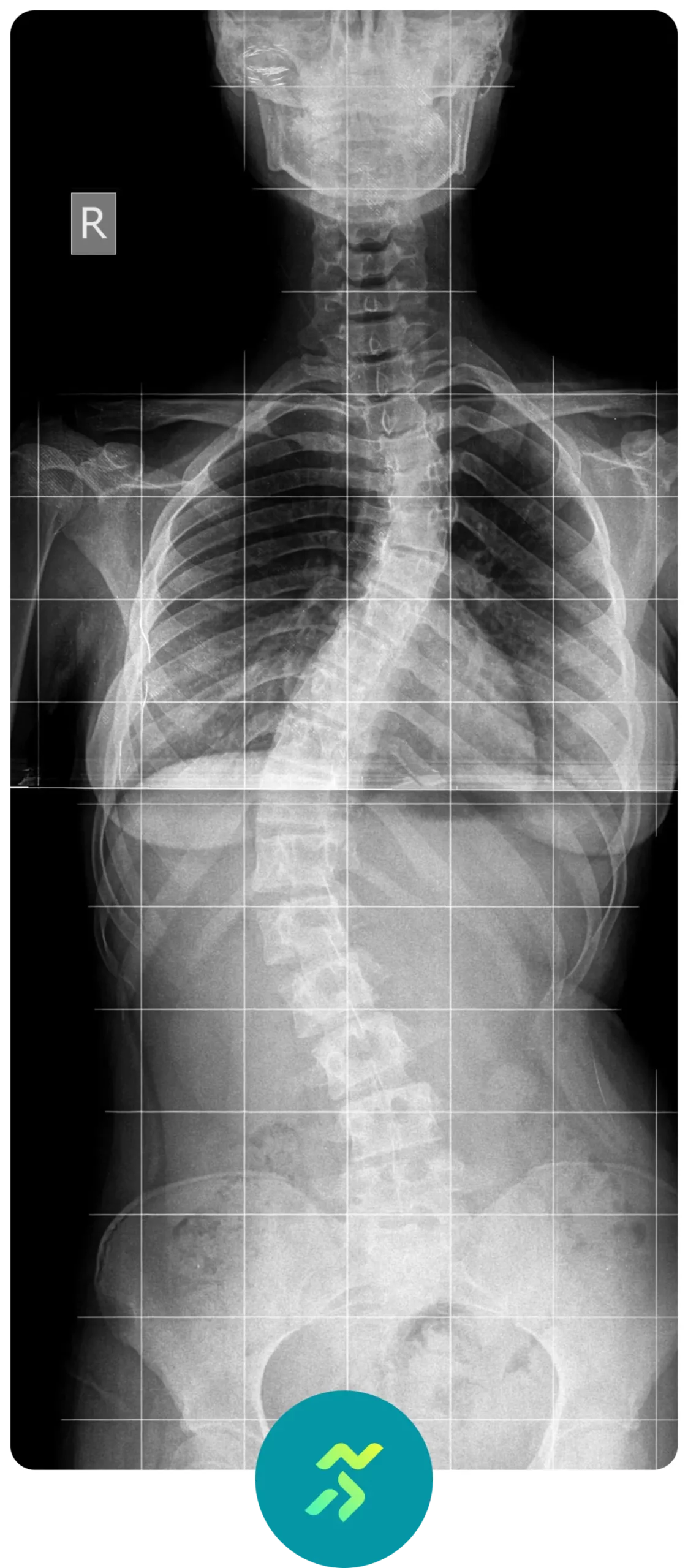
Scoliosis is the abnormal lateral (sideways) curvature of the spine. It is a complex, three-dimensional deformity that affects the spine and the trunk (Torso).
The angle of the curve can present as small, large or somewhere in between. A curve that measures more than a 10 degree cobb angle on an x-ray is classified as scoliosis. It is most commonly diagnosed in early childhood or early adolescence but can be detected and treated at any stage of your life.
Causes of Scoliosis
Scoliosis can develop in infancy or early childhood. Scoliosis shows up most often during growth spurts. The most common type of scoliosis is idiopathic (unknown cause). Although idiopathic scoliosis does appear to have hereditary factors. Less common causes for scoliosis include:
- Certain neuromuscular conditions, for example, cerebral palsy and muscular dystrophy.
- Birth defects that can affect the development of the vertebrae.
- Injuries or infections of the spine.
- Spinal cord abnormalities.
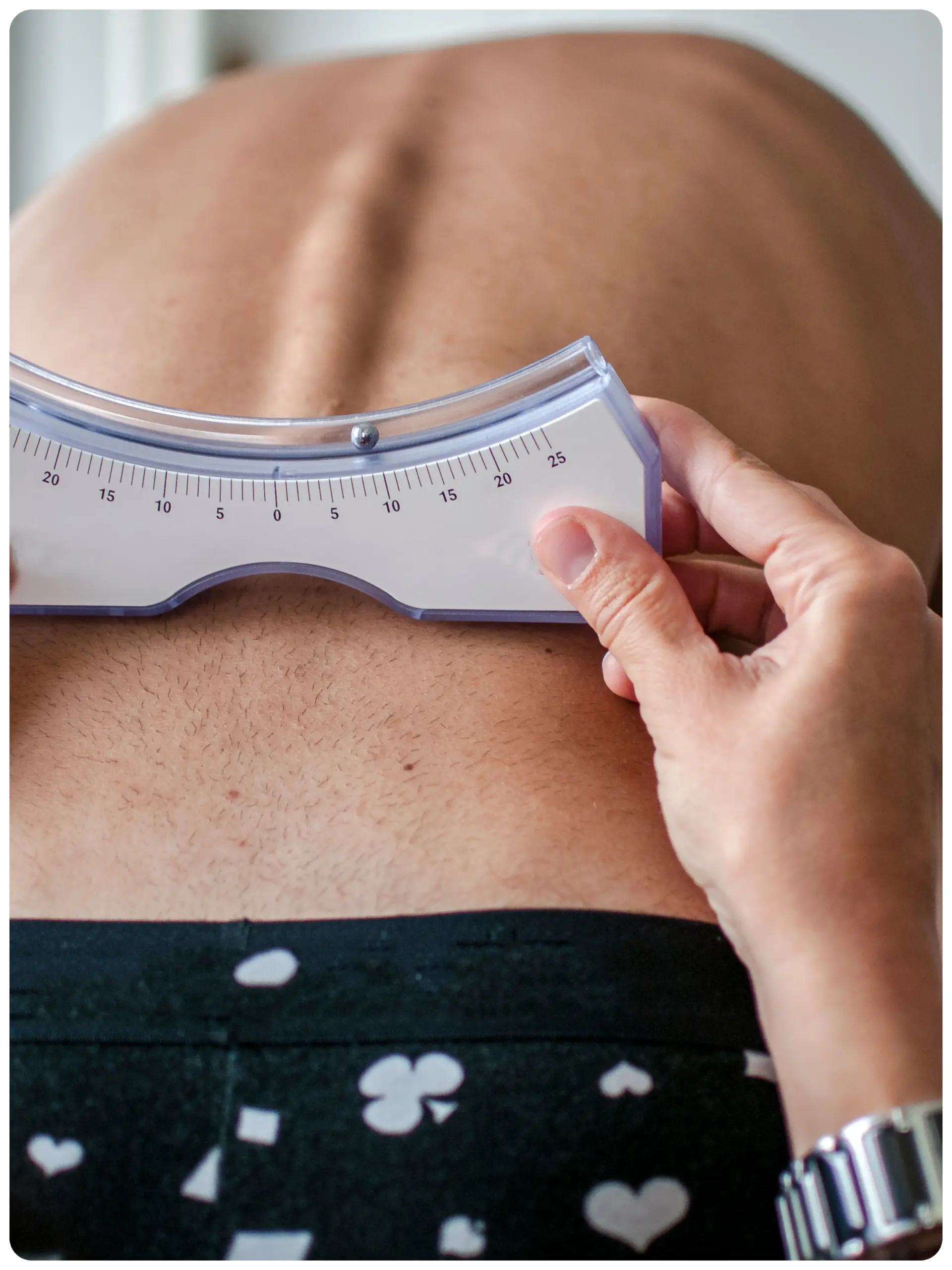

Types of Scoliosis

Idiopathic Scoliosis
Congenital Scoliosis
The deformation and location of the abnormality determine the rate at which the scoliosis progresses in relation the the child's growth. Because these abnormalities of the spine are present at birth, congenital scoliosis is usually detected at a much younger age than idiopathic scoliosis.
This type of scoliosis often progresses more rapidly than idiopathic scoliosis.
Neuromuscular Scoliosis
Degenerative scoliosis
This type of scoliosis has a high-risk of progression and can reduce quality of life due to the pain and functional impairments.
Signs & Symptoms of Scoliosis
While there are many factors that can impact scoliosis, if you present with any of the following symptoms, you should consult with your doctor or have a scoliosis assessment.
- Tilted and uneven shoulders and one or both shoulder blades may protrude (stick out)
- Head is not centered directly above the pelvis
- Prominence of the ribs on one side and one side of the ribcage may be higher than the other
- Uneven waistline. One hip appears higher than the other
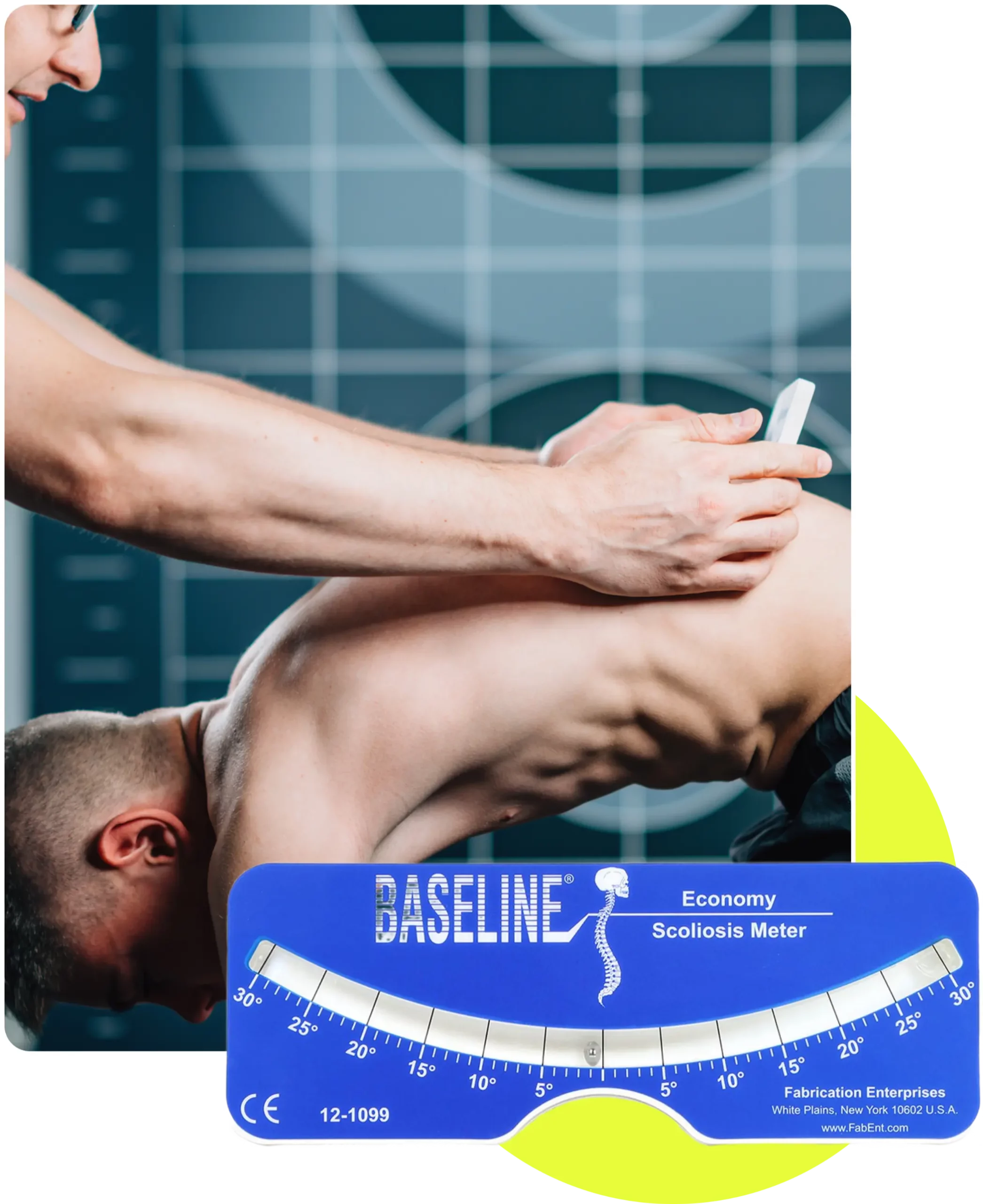
- A prominence on one side of the back when bending forward
- Overall appearance of leaning to one side