Scoliosis presents a challenging journey. When conservative treatments fall short of desired outcomes, spinal fusion surgery emerges as a last resort. However, surgery is not the conclusion of the recovery journey; rather, it marks the commencement of a comprehensive rehabilitation process. In this blog post, we’ll delve into the multifaceted landscape of scoliosis management, emphasizing the paramount importance of post-fusion rehabilitation and its significant impact on maintaining strength, mobility, and overall spinal health.
Understanding Spinal Fusion:
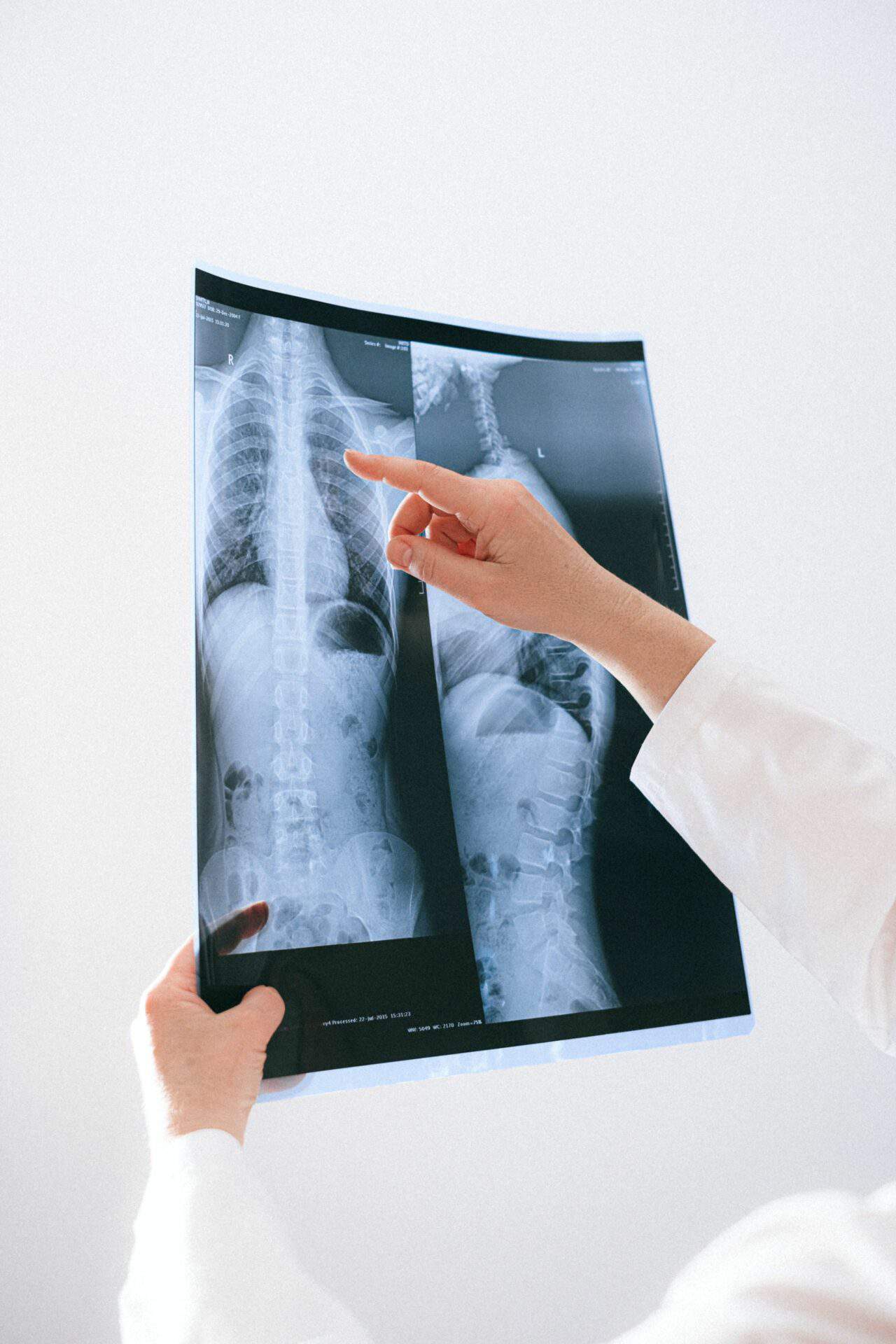
Spinal fusion is one option in addressing spinal deformities, achieved by surgically stabilizing the spine through the fusion of adjacent vertebrae. This procedure aims to correct deformities, alleviate symptoms, and ultimately enhance spinal function and quality of life.
The Role of Spinal Fusion in Scoliosis Management:
Scoliosis, characterized by lateral curvature of the spine, often warrants surgical intervention when conservative measures prove inadequate. Spinal fusion provides structural correction and stabilization, However, it’s important to recognize that spinal fusion is considered an absolute last resort due to its invasive nature and potential risks. The decision to proceed with spinal fusion depends heavily on the severity of the scoliosis and the symptoms experienced by each patient. Factors such as the degree of spinal curvature, progression of the condition, and impact on quality of life are carefully evaluated before recommending surgery. Ultimately, the goal is to alleviate pain, prevent further curvature progression, and improve overall spinal alignment, but this intervention is tailored to the unique circumstances of each individual to ensure the best possible outcome.
Timing Considerations for Spinal Fusion in Scoliosis:
Deciding on the timing of spinal fusion for scoliosis involves multiple considerations, including disease severity, skeletal maturity, and symptomatology. Surgical intervention becomes a consideration when conservative measures fail to halt disease progression or alleviate symptoms, with timing customized to individual patient needs and disease progression.
Understanding Fusion Surgery as a Last Resort:
Before considering fusion surgery, scoliosis patients typically undergo a range of conservative treatments. These may include physical therapy, bracing, and other non-invasive interventions. Surgery becomes a consideration only when these efforts fail to halt disease progression or alleviate symptoms significantly. Spinal fusion surgery stabilizes the spine by fusing adjacent vertebrae, aiming to correct deformities and enhance spinal function. It is reserved for cases where scoliosis significantly impacts quality of life, functional capacity, or poses risks to neurological health, and when the individual has reached skeletal maturity or nears it.
Post-Fusion Rehabilitation: The Crucial Role of Exercise:
Despite achieving structural correction through spinal fusion, post-operative rehabilitation remains pivotal for optimizing long-term outcomes. Exercise plays a very important role in promoting musculoskeletal adaptation, enhancing spinal mobility, and facilitating functional recovery post-fusion. Moreover, exercise mitigates the risk of post-operative complications such as muscle atrophy and joint stiffness, thereby optimizing overall rehabilitation outcomes.
The Importance of Prolonged Rehabilitation Efforts:
A prevalent misconception among individuals undergoing spinal fusion is the notion that surgery alone resolves their condition entirely, leading to the discontinuation of rehabilitation efforts post-surgery. However, this overlooks the dynamic nature of spinal rehabilitation and the enduring benefits of sustained exercise. Merely undergoing fusion doesn’t signify the end of the journey; rather, it marks the beginning of a comprehensive rehabilitation process aimed at optimizing post-operative outcomes, maintaining spinal health, and preventing long-term complications.
The Need for Post-Fusion Rehabilitation:
While fusion surgery offers relief and stabilization, its impact extends beyond the surgical site. The altered spinal biomechanics and musculoskeletal function underscore the necessity of post-fusion rehabilitation. This rehabilitation process is crucial for optimizing post-operative outcomes, maintaining spinal health, and preventing long-term complications. Through tailored exercise programs, patients can effectively address these needs and maintain strength, mobility, and fusion integrity throughout the entire body.
Exercise: A Pillar of Post-Fusion Rehabilitation:
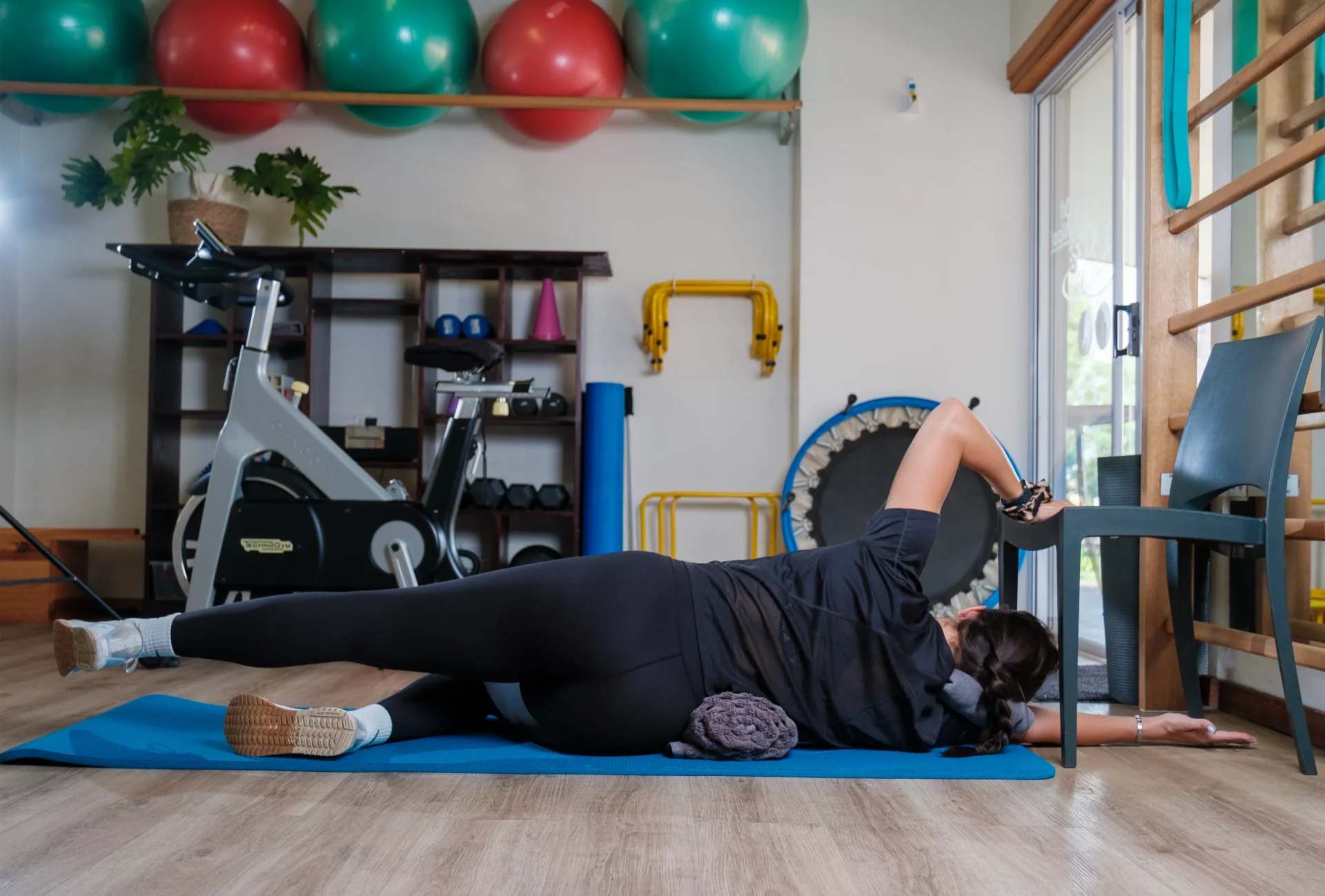
Post-fusion rehabilitation primarily revolves around exercise, which serves as a cornerstone for promoting musculoskeletal adaptation, and improving overall mobility and function. These exercises are carefully curated to address the specific needs of each individual, promoting strength and flexibility while safeguarding the integrity of the fusion site. By incorporating functional movements and activities, patients can regain functional capacity and enhance everyday activities, leading to an improved quality of life.
Maintaining Strength and Mobility Throughout the Body:
Beyond addressing spinal health, post-fusion rehabilitation exercises benefit the entire body. By engaging in regular exercise, individuals can prevent muscle atrophy and joint stiffness, mitigate the risk of post-operative complications, and support overall well-being. Through a holistic approach to rehabilitation, patients can enhance their physical resilience, improve cardiovascular health, and promote overall fitness.
Key Components of Post-Fusion Rehabilitation:
- Tailored Exercise Programs: Designed to promote musculoskeletal adaptation, enhance core stability, and improve overall mobility and function.
- Functional Training: Incorporating real-life movements to improve functional capacity and enhance daily activities.
- Education and Lifestyle Modification: Providing guidance on proper body mechanics, posture, and lifestyle modifications to promote spinal health.
- Pain Management: Incorporating techniques to alleviate discomfort and facilitate recovery.
In conclusion, post-fusion rehabilitation is an integral aspect of scoliosis care, encompassing a range of exercises and interventions aimed at optimizing outcomes and ensuring long-term spinal health. By embracing exercise as a pillar of rehabilitation, individuals can maintain fusion integrity and strength and mobility throughout their entire body, leading to enhanced well-being and an improved quality of life. Through a comprehensive approach to rehabilitation, individuals can navigate the complexities of scoliosis management with resilience and vitality, reclaiming their mobility and function for years to come.